Polymethyl Methacrylate(PMMA) About
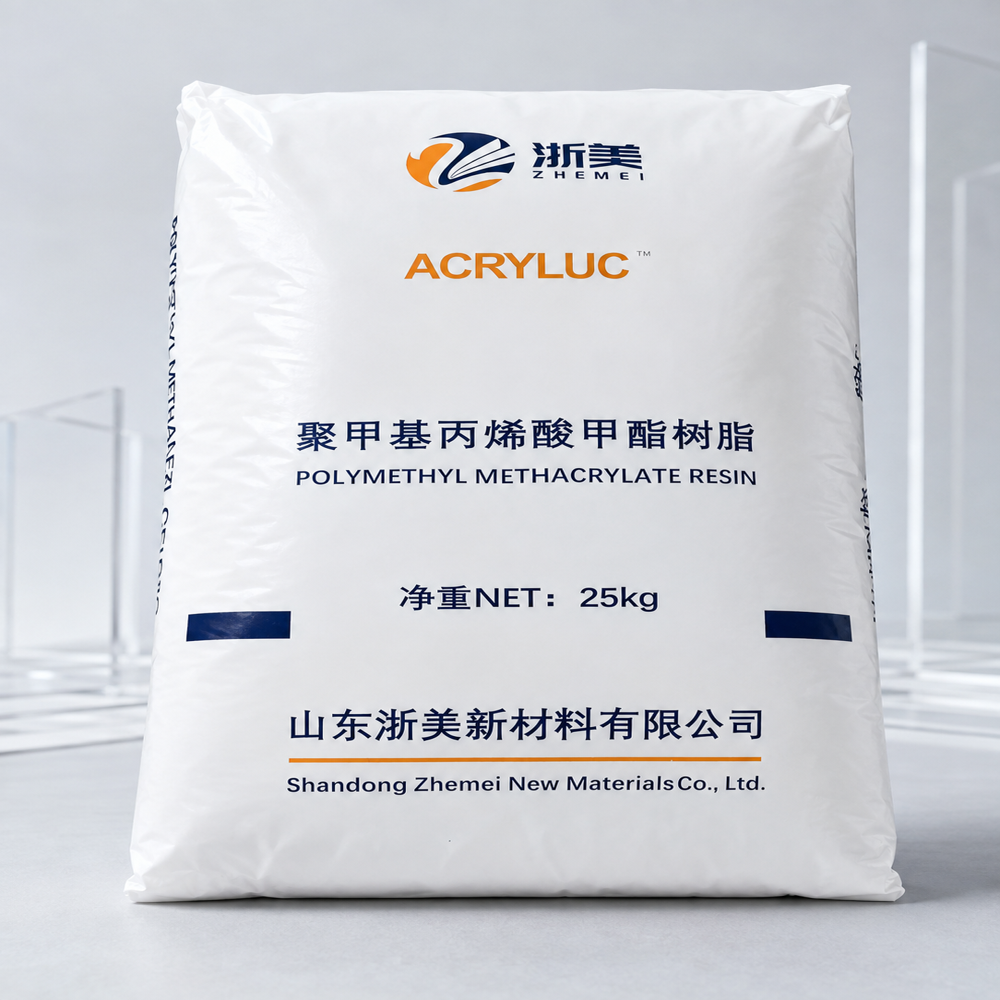
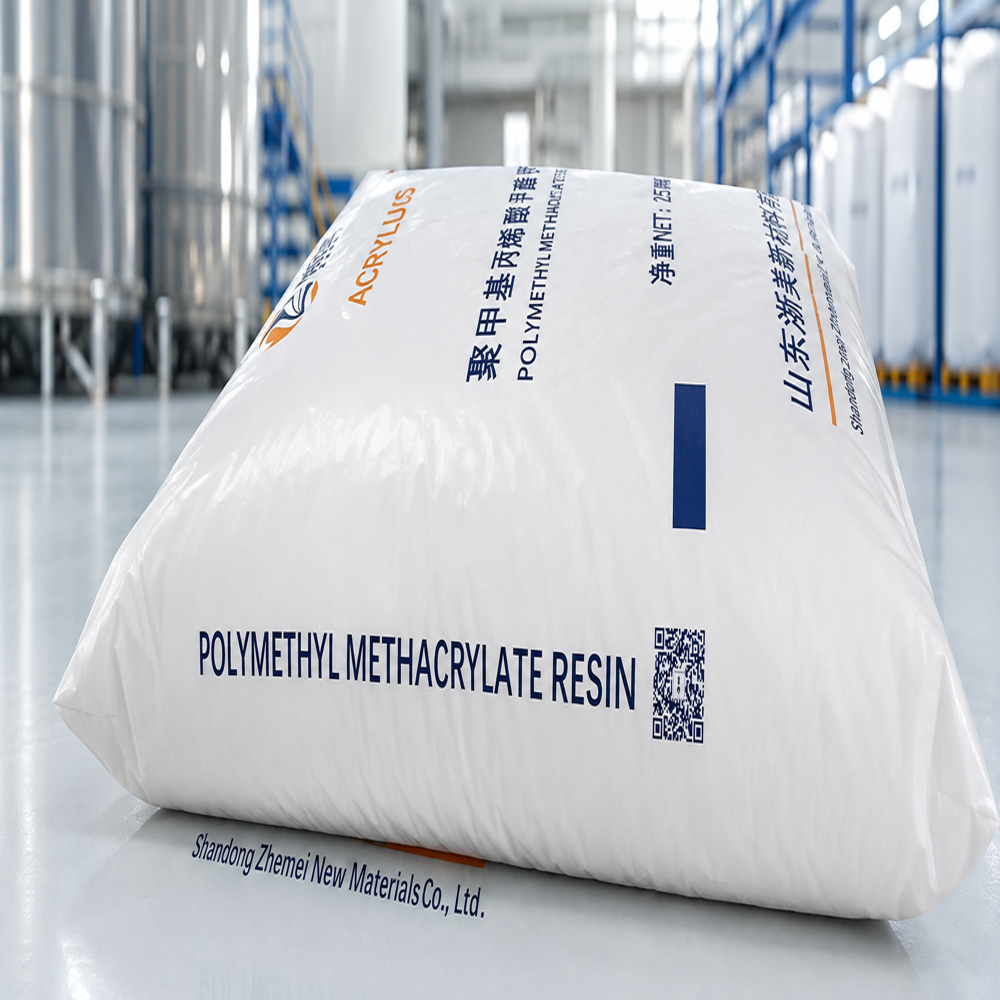
PMMA (Polymethyl Methacrylate) resin, offering exceptional optical clarity, excellent weather resistance, and superior surface gloss. PMMA is a lightweight, durable engineering thermoplastic widely used as a high-performance alternative to glass in applications requiring transparency, UV stability, and long-term durability.
Key Features
- Exceptional Optical Clarity
- Excellent UV & Weather Resistance
- High Surface Gloss
- Lightweight & Durable
- Superior Scratch Resistance
- Excellent Dimensional Stability
- Good Chemical Resistance
- Easy Processing & Molding
Applications
- Automotive Lighting
- LED Lenses & Light Diffusers
- Signage & Display Panels
- Medical Devices
- Consumer Electronics
- Architectural Glazing
- Optical Components
- Injection Molded & Extruded Products
Superior Transparency and StrengthPMMA's exceptional see-through quality paired with its impressive 77 MPa tensile strength makes it a preferred material for automotive and electrical applications. Its robust durability ensures that finished products maintain optical clarity and withstand daily mechanical stresses.
Versatile Applications in Modern IndustriesUsed extensively in the automotive and electrical sectors, PMMA's combination of transparency, lightweight, and high hardness enables innovative designs and efficient functionality. Its 2 micrometer thickness accommodates specialized uses where precision is key.
FAQ's of Polymethyl Methacrylate.(PMMA):
Q: How is PMMA typically processed for manufacturing electrical and automotive components?
A: PMMA in granule form is often processed using standard plastic manufacturing techniques such as injection molding or extrusion. This makes it suitable for creating detailed parts and panels in automotive and electrical industries, ensuring reliable performance and a high-quality finish.
Q: What benefits does transparent PMMA offer for automotive applications?
A: The transparency of PMMA provides excellent visibility and aesthetic appeal for automotive parts like indicator covers and instrument panels, alongside its robust hardness and high tensile strength, which add to the safety and durability of the vehicle components.
Q: Where can PMMA granules be used in the electrical sector?
A: PMMA granules are frequently used to manufacture transparent covers, insulators, and display panels in the electrical sector. Their combination of clarity, electrical insulation properties, and strong mechanical strength makes them suitable for various electrical components.
Q: What is the density and melting point of PMMA, and why are they important?
A: PMMA has a density of 1.19 g/cm3 and a melting point of 200C. These characteristics ensure lightweight finished products and allow PMMA to be processed at temperatures compatible with standard thermoplastic equipment, ensuring versatility in manufacturing.
Q: Why is Rockwell hardness important for PMMA?
A: The Rockwell hardness of 95 indicates that PMMA offers significant resistance to scratching and surface damage. This hardness helps maintain the clear, smooth surface of products used in applications exposed to daily wear and tear.

 Send Inquiry







 Send Inquiry


 Send Inquiry
